Data Needs: Dogs

Now viewing dogs

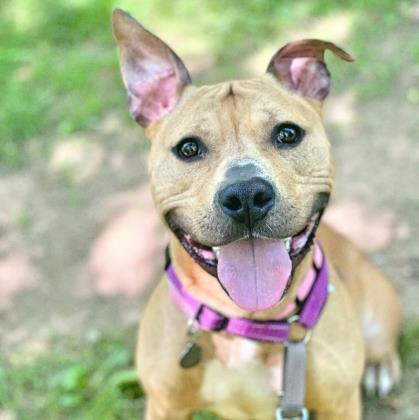
Charlie photo 1
Charlie photo 2
Charlie photo 3

Meet Charlie

Charlie is a 5 months old male Labrador Retriever/Mix who weighs 40 pounds.

He is currently in a foster home.

If you've been searching for a puppy who checks all the boxes, Charlie may just be your perfect match. This handsome 4-month-old Labrador Retriever is everything people love about the breed-friendly, playful, eager to learn, and always ready for his next adventure.

Charlie is already house-trained, which is an impressive accomplishment for such a young pup. He has experience living with a 2-year-old child and has enjoyed making canine friends at dog parks, giving him a great foundation for family life. Whether he's chasing a toy, exploring the backyard, or soaking up attention from his favorite people, Charlie approaches life with enthusiasm and a wagging tail.

Like any young Lab, Charlie has plenty of energy and curiosity to spare. He's looking for an active family that can keep up with his playful spirit while helping him continue to grow into a well-mannered adult dog. Hiking buddy? Running partner? Backyard fetch champion? Charlie is ready to apply for all of the above positions.

With his sweet personality, social nature, and zest for life, Charlie is more than just a puppy-he's a future best friend, adventure companion, and loyal family member all wrapped up in one adorable package.

If you are interested in adopting, please come prepared - bring a photo ID, proof of address, and everyone in the home including resident dogs with vaccination history. We are open 11-5 pm.

The Pennsylvania SPCA - Main Line Animal Rescue

1149 Pike Springs Rd

Chester Springs, PA 19425

Kennel #2857

610-933-0606

info@mlar.org

Note that many dogs do not reach full size until they are about a year and a half old. The weight listed here is Charlie's current weight.

Additional Information
  • Site: MLAR
×
Charlie


Photography tips

Having photos for each of our animals is a priority! It is difficult to get a prospective adopter who is sitting at home surfing the web to get enthusiastic about a new pet that they can’t even see, so we want to get photos on the website as early as possible. Sometimes, though, the photos available are photos of the animals in their prior shelter homes (lots of chain link and concrete) or from a clinic setting (lots of hands wearing blue gloves). We want to replace these with happy photos of the animals as quickly as we can!

The following is some guidance about how to create the best photos

  • No photos of dogs in their runs. Preferably, no photos of dogs indoors at all. We want green grass and blue skies! When outside, think about background objects (trash cans, etc) and frame your photo to keep the distractions to a minimum.
  • Photos you submit do not have to be square, however the photo will appear square (cropped, not stretched) in many places on the website(s). Therefore, make sure that if your photo isn’t square that the animal is centered in the photo so that important details aren’t lost if the photo is shown cropped.
  • We can put three photos on the website for each animal*. At least one of those photos should be a “full-body” photo so that prospective adopters can get an idea of the size and shape of the animal.
  • Preferably, the animal is off-leash for the photo, but if that’s not possible, at least ensure that the leash is slack. Think about the prospective adopter, who has no idea how the animal is being treated, and make sure that the photos do not give them the wrong impression that a particular animal is difficult to control or that they are not being treated gently.
  • Get low! You’ll get a better photo if you’re down at the animal’s level than if you’re shooting down on them from five feet above.
  • It is better to have the sun behind you than behind the animal. Your color fidelity will be better if you can avoid shadows or shaded areas.

* PetFinder supports six photos (or five photos and a video), so we can post additional photos there.

What is this page?

The information on this page helps MLAR volunteers see which animals on the website need additional information added to their profiles. If you are interested in becoming a MLAR volunteer, please check the www.mlar.org/volunteer web page. Thanks!